St. Bernard Dog Lineart
A Thoughtful Choice for Custom Embroidery Projects
As a designer who frequently evaluates embroidery files for real-world use, I often find myself weighing the balance between artistic appeal and practicality. The St. Bernard Dog Lineart is no exception. It’s a design that feels both familiar and refined, with a clean, minimalist approach that speaks to modern embroidery trends. Before diving into its potential applications, I want to share my observations and insights based on how it might perform in various projects.
The First Impression: Clean, Versatile, and Timeless
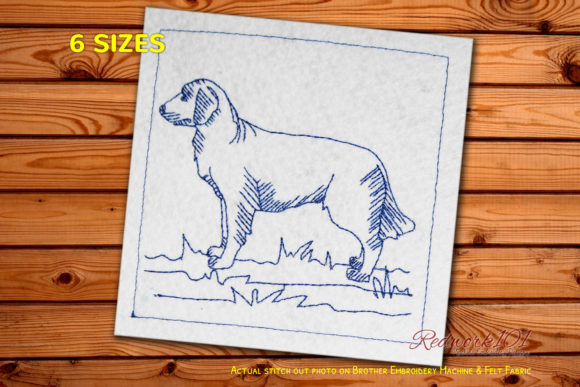
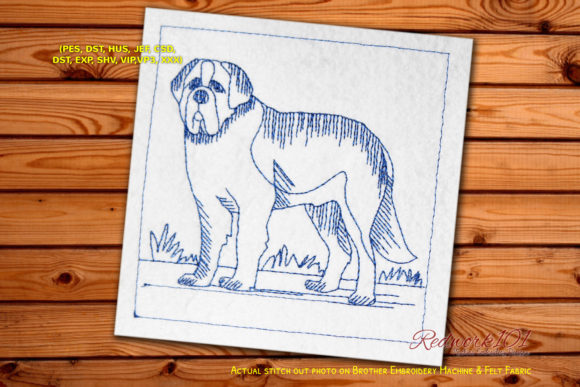
The first thing that catches the eye about St. Bernard Dog Lineart is its simplicity. The lineart style emphasizes form over flourish, making it ideal for those who appreciate a more understated aesthetic. The dog’s shape is well-defined, with smooth contours that suggest a sense of calm and reliability—traits often associated with the St. Bernard breed itself.
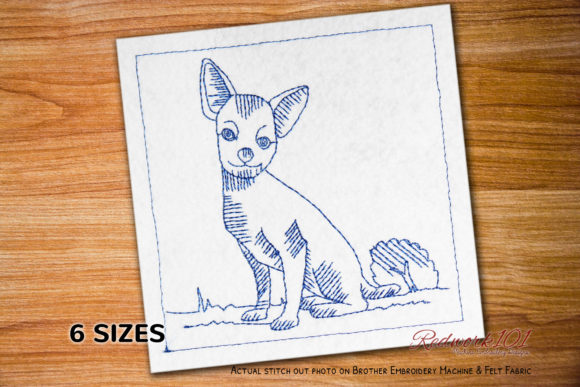
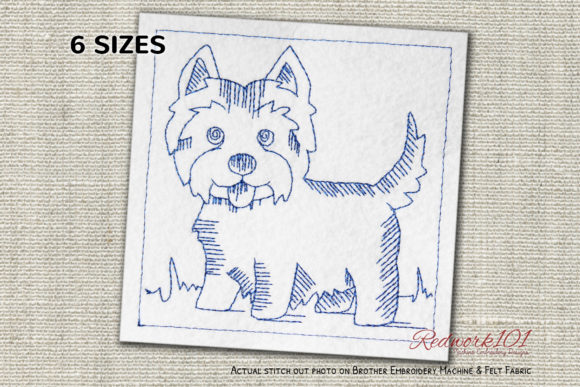
This design doesn’t rely on intricate details or excessive fill stitches, which makes it adaptable to a wide range of uses. Whether you're looking to create a subtle embroidered patch or a bold custom apparel piece, St. Bernard Dog Lineart offers a versatile foundation. Its neutral tone also means it can be easily customized with different thread colors without losing its integrity.
Real-Life Use Case: A Custom Tote Bag Design
To better understand its practicality, I imagined using St. Bernard Dog Lineart on a custom tote bag. The design would sit comfortably on the front, framed by a simple border or stitched directly onto the fabric. Given the minimalistic nature of the lineart, it works well with both satin and running stitch techniques, allowing for a soft, elegant finish.
I considered how this design would look on different fabrics. On a cotton tote, the contrast between the thread color and the fabric would be sharp and clear. However, on darker or textured fabrics, the design might appear less prominent. This is where testing on scrap fabric becomes essential. It’s always wise to review the stitch density and ensure that the embroidery file is optimized for the specific fabric type you plan to use.
Design Performance in Different Applications
St. Bernard Dog Lineart has a broad appeal, but not all uses are equally suited. For instance, it works exceptionally well on custom apparel like sweatshirts and t-shirts, where the focus is on the design rather than intricate detailing. However, when applied to small hoop sizes, the design may appear cramped, especially if it includes elements that require precise placement.
On textured fabrics or stretchy materials, the lineart could lose some clarity due to the fabric’s surface characteristics. In such cases, using the right stabilizer is crucial to maintain stitch quality and prevent puckering. Similarly, dark fabrics may require higher contrast thread colors to ensure visibility, especially when working with running stitch or satin stitch.
For holiday embroidery or personalized gifts, the design’s simplicity allows it to stand out without overwhelming the product. A patch or pillow cover featuring St. Bernard Dog Lineart could serve as a thoughtful, handmade item that appeals to dog lovers and craft enthusiasts alike.
Where to Use with Caution
While St. Bernard Dog Lineart is generally reliable, there are scenarios where it should be used with care. For example, applying it to curved surfaces like caps or hats may result in distortion, especially if the design includes detailed corners or small lettering. Additionally, dense stitch areas might not translate well to thin fabric or layered garments, where stitching could become uneven or overly tight.
It’s also worth noting that the optional box stitch mentioned in the description adds an extra layer of complexity. If included, it requires careful consideration of thread colors and hoop size to maintain visual harmony. In most cases, skipping the box stitch simplifies the design and ensures better stitch clarity, particularly for commercial embroidery or digital product sellers looking for consistent results.
Practical Design Notes for Embroidery Professionals
Before committing to a project, I recommend testing the St. Bernard Dog Lineart on scrap fabric. This helps identify any potential issues with stitch density, thread contrast, or hoop compatibility. Checking the design in black and white mockups can also reveal how it performs under different lighting conditions, ensuring it maintains its appeal across various backgrounds.
For Etsy sellers or small shop owners, confirming the license terms is critical before selling finished products or digital files. Understanding whether the design is royalty-free or requires attribution can save time and legal headaches down the line. Additionally, using high-quality design assets and printable mockups will help build trust with customers and enhance your brand’s professionalism.
Conclusion: A Reliable Choice for Handmade and Commercial Projects
In summary, St. Bernard Dog Lineart is a well-crafted design that balances simplicity with versatility. It’s a great option for those seeking a clean, recognizable motif that can be adapted to a wide range of projects. Whether you’re creating custom apparel, handmade products, or digital embroidery files, this design offers a solid foundation for both personal and commercial use.
With the right preparation, attention to detail, and understanding of fabric and stitch requirements, St. Bernard Dog Lineart can elevate your embroidery work and deliver a professional, appealing result. Always remember to test, review, and adapt—because the best designs are those that serve both the creator and the customer.