Blue Gray Eagle
First Impression: A Professional and Versatile Design
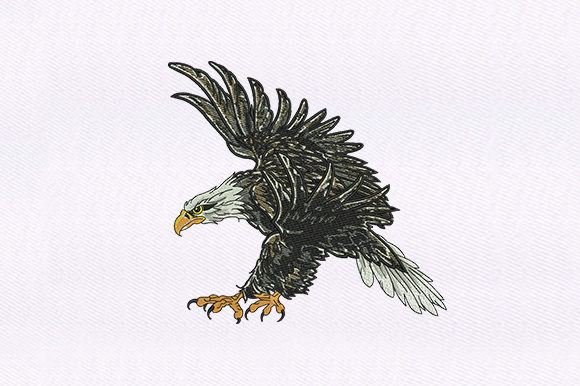
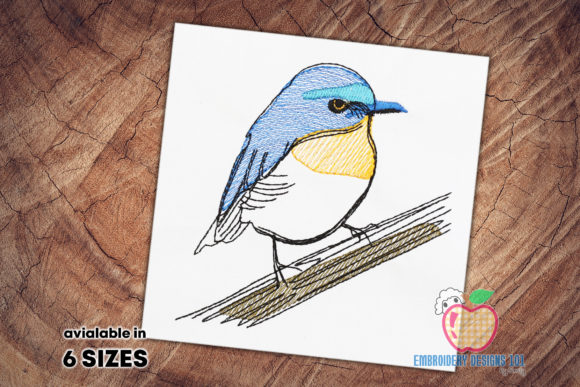
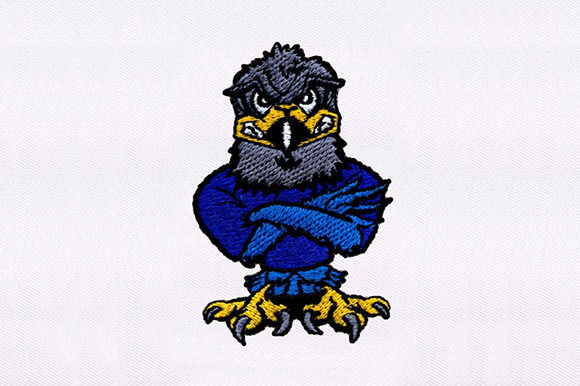
The Blue Gray Eagle immediately strikes a balance between professionalism and approachability. Its title suggests a classic, enduring design that feels both timeless and adaptable. The color palette—blue and gray—offers a clean, sophisticated look that aligns well with modern branding needs. As an embroidery file, it appears to be crafted with attention to detail, making it a strong candidate for small business merch and branded patches.
Design Performance in Real Business Use
When evaluating the Blue Gray Eagle for commercial use, several key factors stand out. The design’s clarity and structure make it suitable for a variety of applications, including embroidered patches, staff uniforms, aprons, caps, tote bags, and product packaging accents. Its ability to maintain visual integrity across different fabric types and sizes is particularly valuable for small businesses looking to create consistent branding across multiple product lines.
For instance, the Blue Gray Eagle could serve as a brand identity symbol on custom apparel such as work shirts or aprons. Its presence adds a professional touch without overwhelming the overall design. Similarly, it can act as a subtle yet effective embroidered patch on caps or tote bags, enhancing the visual appeal of merchandise while reinforcing brand recognition.
As a machine embroidery design, the Blue Gray Eagle offers versatility in its file formats, supporting a wide range of embroidery machines. This flexibility is essential for small business owners who may need to use different equipment or software platforms. The availability of formats like DST, PES, and JEF ensures compatibility with most embroidery systems, making it a practical choice for custom apparel and digital embroidery file users.
Where to Use Blue Gray Eagle Carefully
While the Blue Gray Eagle is a versatile design, certain considerations should guide its placement to ensure optimal results. For example, when using it on small patches, the design’s details must remain legible and clear. High stitch density and detailed outlines can sometimes cause issues with small-scale embroidery, so testing at the intended size is crucial.
Additionally, the Blue Gray Eagle should be evaluated for its performance on curved surfaces or textured fabrics. Dark uniforms or fabrics with intricate patterns may require careful thread color selection to ensure visibility. Testing the design on real fabric with appropriate stabilizer and hoop size will help prevent distortion or poor stitch quality.
It's also important to consider how the Blue Gray Eagle interacts with the thread colors and fabric texture. A contrast between the design and background fabric can significantly impact the final appearance, especially on items that undergo frequent washing, such as aprons or workwear.
Impact on Brand Identity and Customer Trust
The Blue Gray Eagle has the potential to strengthen brand identity by providing a consistent, recognizable emblem for small businesses. Its professional aesthetic supports a sense of reliability and quality, which can enhance customer trust and engagement. Whether used as a brand identity symbol on merchandise or as a design asset in marketing materials, the Blue Gray Eagle contributes to a cohesive visual language.
Moreover, the Blue Gray Eagle can elevate the perceived value of a product. When customers see a well-designed emblem on their merchandise, they are more likely to associate the item with quality craftsmanship and attention to detail. This is especially relevant for handmade products, where the handmade product aspect plays a significant role in consumer perception.
Practical Notes for Embroidery Designers
Before production, I recommend a few practical steps to ensure the Blue Gray Eagle performs as expected. First, test the design in black and white to assess its clarity and structure. This helps identify any areas that might not translate well into color.
Next, check how the design works at small patch sizes. If the Blue Gray Eagle is intended for patches or cap fronts, it should remain legible and proportionate. Reviewing the thread colors and ensuring adequate contrast with the fabric background is also essential for visibility.
Confirm the hoop size required for the design and test it on real fabric with proper stabilizer to prevent puckering or distortion. Creating a printable mockup for client approval can save time and avoid costly mistakes. Finally, verify that the design includes the necessary commercial licensing for business use, especially if you plan to sell the digital embroidery file or use it on multiple products.
Conclusion: A Reliable Choice for Small Business Merch
The Blue Gray Eagle is a strong contender for small business owners, embroidery shops, and crafters looking to add a professional and visually appealing element to their merchandise. Its adaptability, clarity, and versatility make it a valuable design asset for a wide range of applications, from cap embroidery to apron embroidery.
By carefully considering its placement, testing its performance, and ensuring proper licensing, the Blue Gray Eagle can become a powerful tool for building brand identity and enhancing the visual appeal of your small business merch. With the right preparation, this design can elevate your finished product and contribute to long-term success in the competitive world of custom embroidery.