Muscular Red Bird Design
First Impressions and Visual Appeal
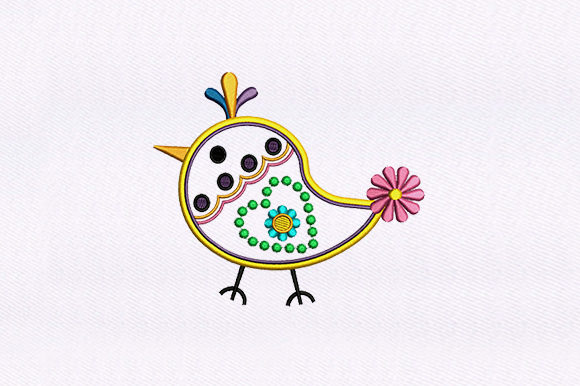
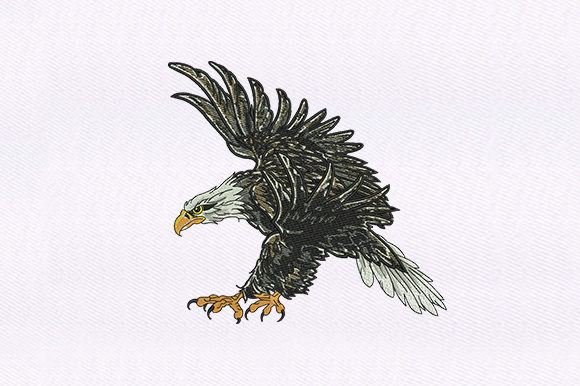
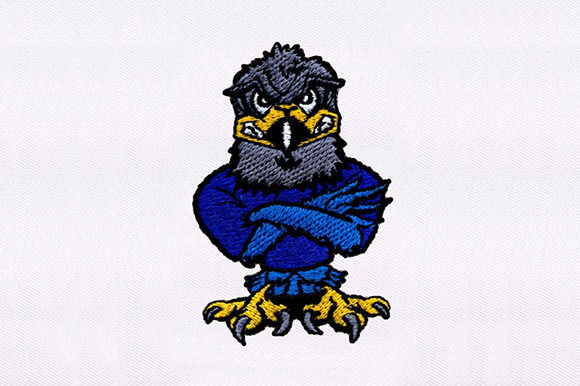
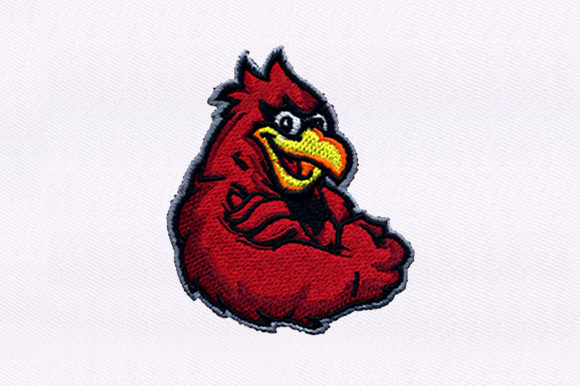
The Muscular Red Bird Design immediately caught my eye with its bold, dynamic composition. The bird is rendered in a striking red hue that commands attention without being overwhelming. Its muscular build suggests movement and strength, which adds a unique character to the design. The intricate detailing around the wings and body gives it a lifelike quality, making it stand out among typical bird embroidery designs.
The embroidery file offers a balanced mix of satin stitch and fill stitch, creating depth and texture without excessive complexity. This makes it versatile for both custom apparel and more delicate projects like pillow covers or nursery decor. The running stitch along the edges adds a subtle yet elegant touch, enhancing the overall decorative appeal.
Design Versatility and Practical Use
The Muscular Red Bird Design is a strong candidate for a variety of handmade products. Its bold nature suits custom apparel such as sweatshirt embroidery or cap designs, where it can make a statement without overshadowing other elements. It also works well on tote bag designs or apron embellishments, adding a whimsical yet powerful element.
For commercial embroidery, this design is ideal for printable mockup use. The embroidery file includes multiple formats, ensuring compatibility with most embroidery machines. However, it's important to verify the hoop size requirements before purchasing, especially if working with smaller hoops or limited space.
When considering seasonal handmade gifts, the Muscular Red Bird Design can be used for personalized gifts like embroidered patches or kitchen towel designs. Its vivid color makes it particularly effective on light-colored fabrics, though it also holds up well on darker surfaces when paired with contrasting thread colors.
Performance in Real Embroidery Work
Testing the Muscular Red Bird Design on scrap fabric revealed some nuances worth noting. The stitch density is moderate, which means it should perform well on most fabrics, including textured fabric and stretchy fabric. However, areas with dense stitching may require additional stabilizer to prevent puckering, especially on lighter materials.
For dark fabric, I recommend using a contrasting thread color to ensure visibility. The design’s applique design elements are clearly defined, but they do require careful placement to avoid distortion. When working with curved cap surfaces, it's essential to test the design on a sample first to confirm how it behaves on curved or uneven surfaces.
If you're planning to use this design for layered details, such as on a baby blanket or nursery decor, be prepared for some adjustments. The design’s complexity means it may take longer to stitch, and careful handling is needed to maintain its integrity during the process.
Impact on Product Value and Brand Consistency
Incorporating the Muscular Red Bird Design into your handmade product lineup can significantly enhance visual appeal and brand consistency. Its boldness makes it a standout piece that can elevate the perceived value of your custom apparel or digital embroidery file offerings.
For Etsy sellers or small business owners, this design can serve as a key asset in building a cohesive brand identity. Its versatility allows it to be adapted across different product lines, from personalized gifts to commercial embroidery projects. Additionally, the design’s ability to hold up through frequent washing makes it a practical choice for items like kitchen towels or aprons.
Practical Embroidery Notes and Tips
Before using the Muscular Red Bird Design, always test on scrap fabric to assess how it performs on your specific machine and fabric type. Check thread color contrast to ensure the design stands out, especially on dark or light backgrounds.
Review the stitch density and confirm the hoop size required. If you're unsure about the file details or licensing terms, refer back to the Creative Fabrica embroidery product page to ensure compliance before selling any finished items.
Use proper stabilizer to support the fabric during stitching, especially for dense areas or stretchy materials. After stitching, inspect the design closely for any small details that may need adjustment. Finally, consider using printable mockups to visualize how the design will look on your final product before committing to production.