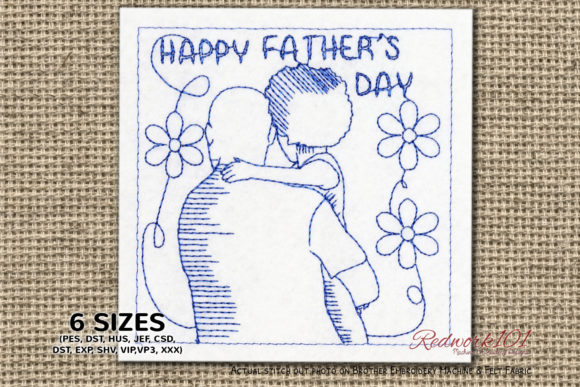
Fathers Day Greetings Redwork
First Impressions and Visual Personality
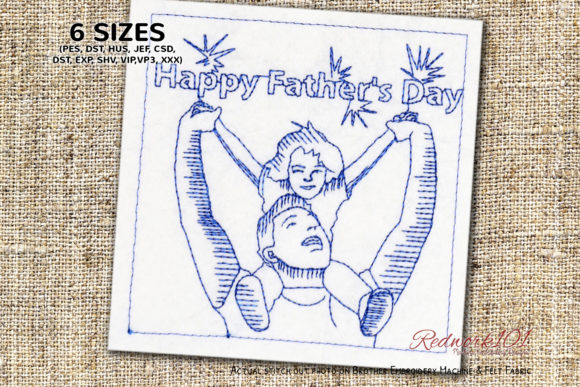
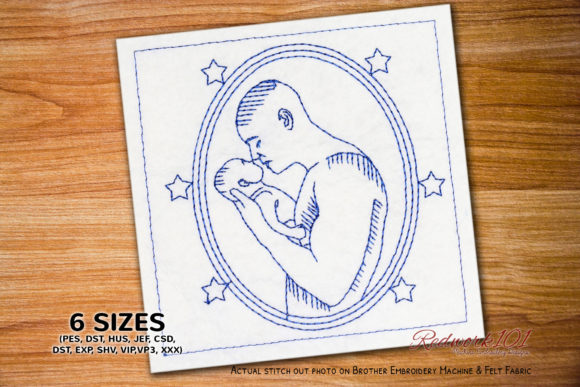
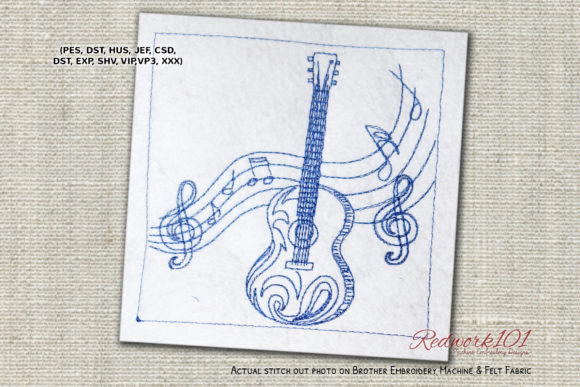
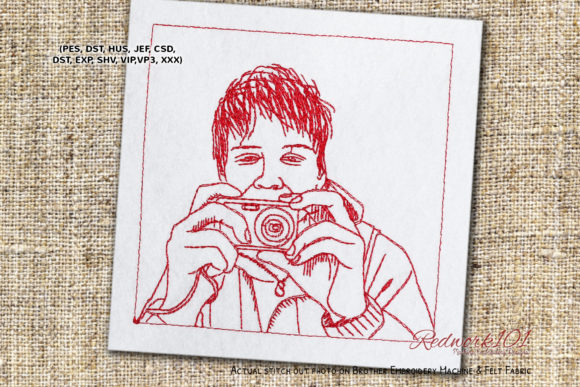
Fathers Day Greetings Redwork makes a strong first impression with its clean, elegant design. The redwork style brings a vintage charm that feels both timeless and fresh. The stitching is detailed yet not overly complex, making it versatile for various apparel applications. The visual mood leans toward classic and feminine, with a subtle rustic touch that can complement a wide range of styles.
Apparel Use and Design Performance
Fathers Day Greetings Redwork is well-suited for multiple apparel types, including sweatshirts, hoodies, t-shirts, denim jackets, tote bags, and seasonal cozy outfits. Its design holds up well on neutral sweatshirts, adding a touch of elegance without overpowering the garment. On pastel hoodies, it provides a nice contrast, while on dark apparel, the thread colors need to be carefully selected to ensure visibility.
The design works especially well as a chest embroidery for hoodies and sweatshirts. It also offers great potential for sleeve accents and back designs, where it can add a personalized touch without being too prominent. For tote bags, the design can serve as a subtle yet meaningful detail, enhancing the overall aesthetic without overwhelming the product.
Visual Mood and Decorative Strength
Fathers Day Greetings Redwork carries a decorative strength that balances between minimal and trendy. It has a soft, handcrafted feel that appeals to handmade products and boutique brands. The design’s simplicity allows it to fit into both casual and more refined collections, making it a valuable addition to an Etsy seller’s or small shop’s product lineup.
The stitching mood is warm and inviting, which aligns well with the theme of Father’s Day. This makes it ideal for lifestyle product photos and printable mockups that aim to showcase the emotional connection between the wearer and the garment. The design’s visual personality is consistent across different fabric textures, offering flexibility in how it is applied to various garments.
Practical Considerations for Embroidery
When using Fathers Day Greetings Redwork, there are a few key areas to consider. The design may require careful placement on small chest areas to ensure clarity and legibility. Dense stitch areas should be tested on scrap fabric to avoid issues with stitch density and fabric distortion. Stretchy fabrics like fleece and ribbed materials may need additional stabilizer support to maintain the design’s integrity.
Dark garments can present challenges, especially if the thread colors do not provide enough contrast. Testing on similar fabric types before production is highly recommended. Curved surfaces and tiny lettering may also require attention to ensure the design remains clear and readable after embroidery.
Impact on Brand Identity and Product Value
Fathers Day Greetings Redwork can significantly enhance brand identity by offering a unique, recognizable design element. The use of this embroidery file can elevate the perceived value of custom apparel, especially for boutique brands and handmade products. It adds a level of professionalism and craftsmanship that resonates with customers looking for quality and authenticity.
The design also supports buyer trust through its consistent appearance across multiple products. This visual consistency helps build recognition and loyalty among customers. For Etsy sellers and small shop owners, the ability to create visually appealing, high-quality products can lead to increased customer engagement and repeat sales.
Embroidery Designer Notes and Best Practices
As an experienced embroidery designer, I recommend testing Fathers Day Greetings Redwork on scrap fabric before proceeding with full-scale production. Confirming the stabilizer choice is crucial, especially when working with stretchy or textured fabrics. Reviewing thread color contrast ensures the design stands out on the intended garment.
Confirming hoop size and inspecting stitch density will help prevent issues with fabric puckering or uneven stitching. Testing the design on similar garment fabric is essential to understand how it performs in real-world conditions. Comparing placement options can also help determine the best way to integrate the design into your product collection.
Before selling finished apparel, always check Creative Fabrica product details and licensing terms to ensure compliance with commercial embroidery requirements. This step is vital for maintaining the integrity of your brand and avoiding any legal issues.